
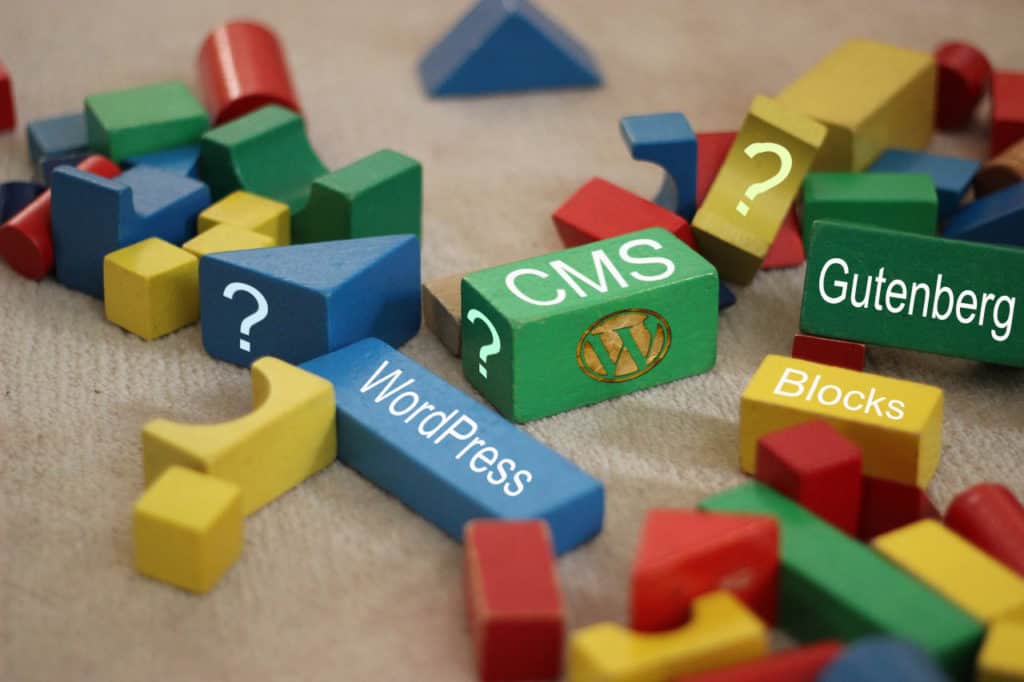
Let’s dive in and meet the new WordPress editor – Gutenberg. If you are currently using WordPress, then the Gutenberg editor should already be a part of your vocabulary.
The Gutenberg editor does make for a better overall experience for those who are looking to provide some asymmetry to their blog posts. However, there are those out there who seem to think that this may become the turn-to solution for creating custom pages and layouts.
While I am sure that is the overall goal of those behind WordPress making this decision, I am not too worried about this even being a thought. I know many DIY type people, and even up to the agency levels are relying upon page builders to perform a lot of the heavy lifting of bringing a website design together. So before I begin my personal review on the new editor, I would like to present a video overview of what it does in case you haven’t heard of it or have it upon your website.
Okay, now that you have seen what Gutenberg is made up and some of the possibilities, again while I think it is a fabulous tool for creating awe-inspiring blog posts, however, I am not convinced that this will be the replacement for any page builders that currently exists, particularly Elementor Pro or Divi.
With more and more website designs relying upon various complexities such as custom headers on a page-by-page basis, or custom post types that can have their very own layout and integrate dynamic content by using additional plugins such as Advanced Custom Fields, I don’t see Gutenberg gaining a lot of traction in those areas just as of yet.
Does that mean that it won’t happen? Absolutely not, and if you know anything about the development team that is behind WordPress, then you should know that they are hard at work in ultimately creating a turn-to website building solution. However, I feel that for Gutenberg to attain that level that they are looking at a minimum of 5 to 8 years down the road.
Ultimately, they were trying to play catch up with their leading competitor, SquareSpace. This has to be one of the biggest features of SquareSpace is the ease of editing content on the fly. However, what SquareSpace lacks is where WordPress jumps in and takes the lead.
The other mission was in an effort to make on-boarding new individuals that are thinking of using WordPress for either their blogging
Here’s the great news, for those who are already using the awesome power of Elementor Pro to create your website design, they have introduced Elementor Blocks for Gutenberg. Watch the video overview of that feature below.
That truly unlocks a truck load of possibilities if you are combing the two tools together. You now have the power to create truly customized and unique blog posts that will be sure to capture your audiences attention.
If there is absolutely one thing that I have learned over the past 10 years as a senior WordPress designer and developer, that is that things are always changing and the way we use the tools will provide us with even greater flexibility in achieving a truly unique and one-of-a-kind website design.
Are you currently using Gutenberg on your WordPress powered website? Let me know how you are using it and provide a link to your site. I would love to visit and see what you have created.
Site Designed & Hosted by Ark Web Design
